$6 Gas and Refinery Fears Collide with California’s Climate Ambitions

State Approves Controversial Overhaul Amid Gas Price Crisis
California air regulators this week approved a sweeping overhaul of the state's carbon market that could provide as much as $4 billion in free pollution permits to oil refineries and other major polluters, dramatically reducing revenue for climate programs that benefit Santa Barbara County residents.
The California Air Resources Board voted 10-3 on Friday to adopt the changes to its cap-and-invest program after two days of hearings, according to CalMatters. The move follows intensive lobbying by the oil industry and pressure from Gov. Gavin Newsom's administration as California faces soaring gas prices — currently over $6 per gallon — amid refinery closures.
The Santa Barbara Independent first reported that the oil and gas sector spent $10.3 million lobbying Sacramento in the first three months of 2026, with the Western States Petroleum Association and Chevron accounting for the bulk of it.
Climate Funding Cut in Half
The approval sets up a potential budget fight in Sacramento, as the Legislative Analyst's Office projects that quarterly auction revenue for state climate programs will drop from roughly $4 billion a year to about $2 billion under the new overhaul.
This revenue decline threatens funding for programs that directly benefit Santa Barbara County residents, including affordable housing near public transit, wildfire prevention projects, safe drinking water infrastructure, and air quality monitoring in pollution-affected communities. The program has historically funded the California Climate Credit, which provides twice-yearly rebates on utility bills — rebates that UC Santa Barbara analysis found could be reduced by as much as $1.7 billion under the proposal.
Assemblymembers Jacqui Irwin and Cottie Petrie-Norris, who chair climate and energy committees, said the proposal "reflects the Legislature's focus on affordability" and urged the board to proceed "without delay."
Local Impact of Statewide Gas Crisis
The changes come as California faces an unprecedented fuel supply crisis. Two refineries are closing: the Phillips 66 refinery in Los Angeles shut down in October 2025, and Valero's Benicia refinery is set to close in April 2026. Together, these facilities represent about 17% of California's refining capacity.
USC Professor Michael Mische's analysis warns that gas prices could surge 75% to $8.43 per gallon by the end of 2026. For Santa Barbara County residents, who already pay premium prices for fuel, this would represent a crushing burden on household budgets and the local economy that depends heavily on tourism and agricultural transportation.
Environmental Groups Raise Concerns
Critics say the air board's new Manufacturing Decarbonization Incentive program essentially undermines the carbon market's core function. The program would create 118.3 million free pollution permits — the same number regulators say must come off the market for California to meet its 2030 climate targets.
"We are really concerned that this would significantly kneecap the program," Chloe Ames of NextGen Policy told the Santa Barbara Independent. Environmental Defense Fund's Katelyn Roedner Sutter said the proposal "is based on proposed investment, not any guaranteed reduction."
Berkeley energy economist Meredith Fowlie, who chairs an independent committee overseeing the carbon market, found that refineries could receive more free permits than they need to cover their emissions. "One could use the word generous," Fowlie said.
What Comes Next
The amended program goes into effect September 1, pending any potential legal challenges. Air board officials defend the design, saying credits will only go to companies undertaking decarbonization projects and can be clawed back if misused.
For Santa Barbara County, the implications extend beyond fuel costs. Reduced climate funding could affect local transit projects, environmental justice programs, and renewable energy initiatives that help the region transition to cleaner alternatives while maintaining its environmental leadership on the Central Coast.
Reported by 805.life
Researched and written drawing on primary sources. Additional reporting: Santa Barbara Independent.
City
Santa BarbaraAdditional Reporting
Santa Barbara IndependentPublished
May 24, 2026
Reported and written by 805.life
Explore Santa BarbaraAll Santa Barbara NewsMore News from Santa Barbara
 Santa Barbara
A Bike Path Light Deficit
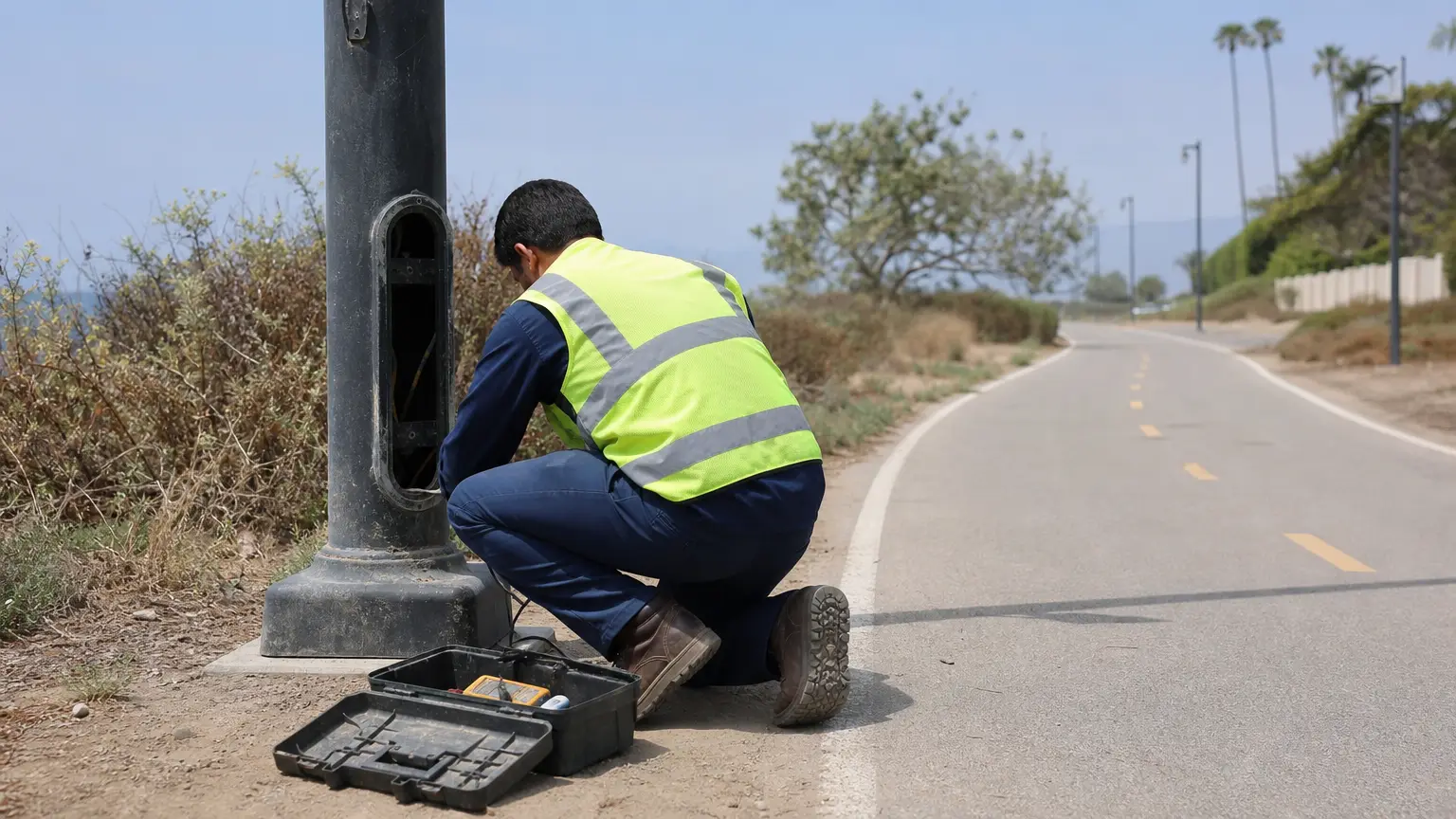
If you've ever pedaled or strolled the Santa Barbara bike path after dark, you know the frustration of a dark stretch where a light should be. The Santa Barbara Independent reports that while the county has rolled out a new system to report those burned-out fixtures, the real problem isn't reporting—it's paying for the replacements. With budget constraints leaving many lights dark, this isn't just a nuisance; it's a safety concern for commuters, families, and evening joggers who rely on that path. For those of us in the 805, the bike path is a vital artery connecting neighborhoods from Goleta to Carpinteria. The new reporting labels are a step forward, but without funding for actual repairs, they're just stickers. Let's hope county officials hear our collective call for a safer, better-lit route before someone gets hurt in the dark.
 Santa Barbara
Austria’s World Cup Journey Begins in Goleta with Harder Stadium Training Session
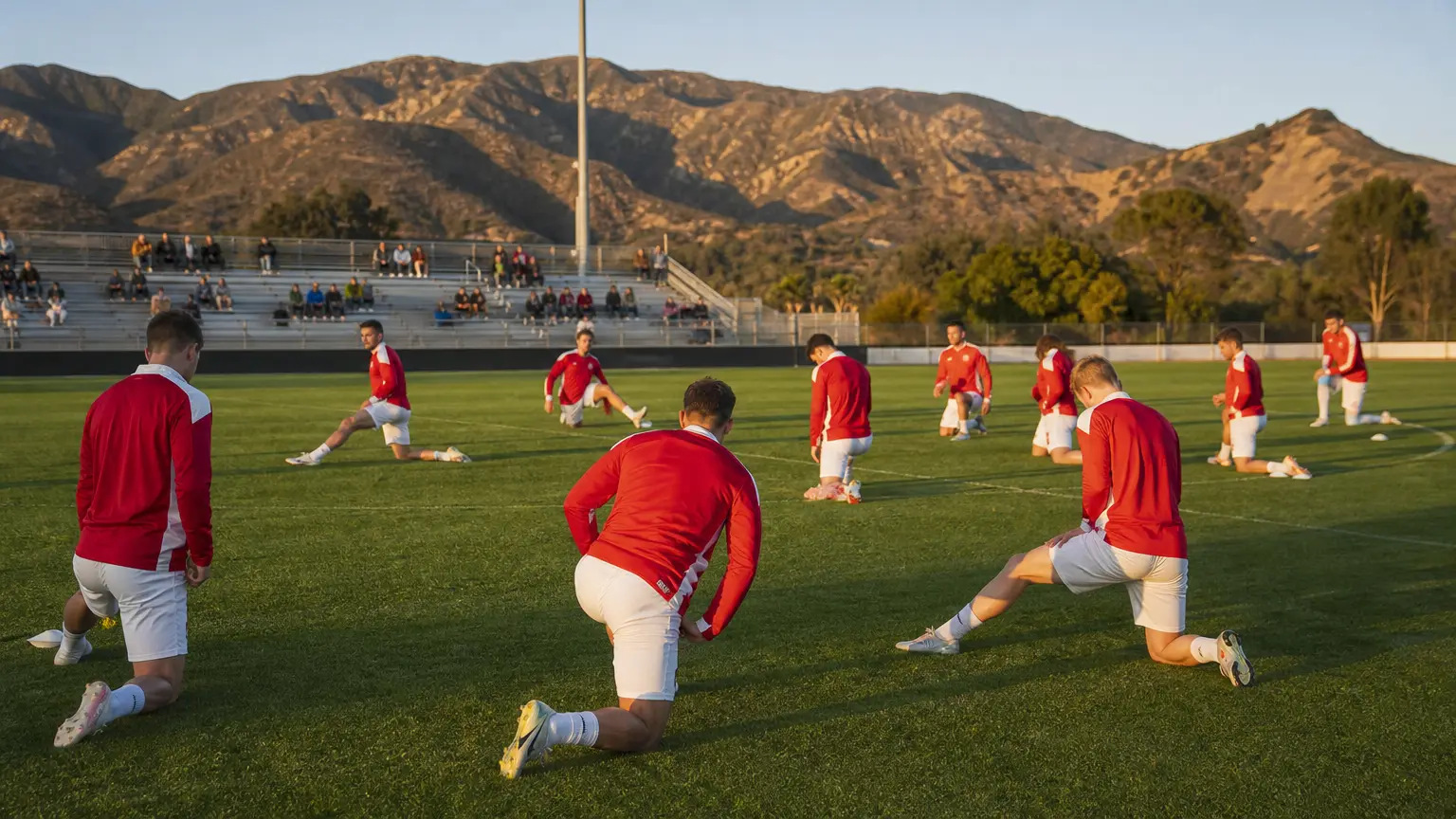
Austria’s World Cup run is getting a Central Coast kickoff. The Austrian national soccer team has set up camp at Harder Stadium in Goleta for training sessions ahead of their World Cup opener against Jordan on Wednesday, June 17. It’s a rare treat for local soccer fans to see a World Cup squad preparing right in our backyard, with practices likely open to spectators. This is a big deal for the 805 region — not just for the international spotlight on UCSB’s pitch, but for the community pride of hosting a team on the world’s biggest stage. The Santa Barbara Independent first shared the news, and it’s a reminder that even in a small town, global sporting moments can feel personal. If you spot players around Goleta, give them a warm Central Coast welcome.
 Santa Barbara
Radicalizing People Through Plants
Foraging isn't just about finding free food—it's a quiet act of resistance. That's the message Robin Greenfield brought to Santa Barbara last week, stopping through town as part of a larger mission to reconnect people with the wild edibles growing right under our noses. From prickly pear to purslane, Greenfield showed locals how the urban landscape is actually a pantry in disguise. As reported by the Santa Barbara Independent, Greenfield's visit was part foraging workshop, part philosophical talk—urging us to rethink our relationship with nature and consumer culture. For a community like ours, where farmers markets and farm-to-table are already beloved, this feels like a natural next step. Whether you're a seasoned forager or just curious about that strange weed in your backyard, Greenfield's message is a reminder that the Central Coast is rich in more than just views.