Trump’s ‘One Big Beautiful Bill’ Threatens Santa Barbara County with $11 Million a Year in New Indigent Care Costs

Federal Medicaid Cuts Threaten Local Healthcare System
Santa Barbara County faces an estimated $11.4 million annual cost to reactivate its dormant Indigent Care Program due to changes in federal healthcare law that will strip Medi-Cal coverage from approximately 4,500 county residents, according to the Santa Barbara Independent.
The impact stems from President Trump's "One Big Beautiful Bill" (HR 1), which was signed into law on July 4, 2025. The sweeping federal legislation imposes new work requirements and tightens eligibility standards for Medicaid programs nationwide, with significant changes taking effect in late 2026.
How the Changes Affect Local Residents
Beginning December 2026, many Medi-Cal recipients will face new requirements including at least 80 hours per month of "community engagement" through employment, volunteer work, or education. The law also restricts eligibility for certain immigrant populations, with those changes taking effect October 1, 2026.
CenCal, which administers Medi-Cal in Santa Barbara and San Luis Obispo counties, estimates that approximately 4,500 people currently receiving Medi-Cal in Santa Barbara County will lose their eligibility once the federal changes are implemented, according to the Santa Barbara Independent.
County's Indigent Care Program: A Limited Safety Net
When people lose Medi-Cal coverage, California law requires counties to provide care for the medically indigent through locally funded programs. Santa Barbara County suspended its Indigent Care Program in 2010 when the Affordable Care Act expanded Medi-Cal coverage, but now must reactivate it.
County Public Information Officer Kelsey Buttitta emphasized that indigent care "should not be confused with anything resembling a health insurance policy," as reported by the Santa Barbara Independent. The program "provides only the services necessary to prevent serious harm, pain, or infection," including urgent surgeries, cancer treatment, diabetes control, and hypertension management.
The county's existing Indigent Care Program serves uninsured residents ages 21-64/6194762605133824?postal=93111) who meet financial eligibility requirements and have qualifying medical conditions.
Search for State Funding Solutions
County Board Chair Bob Nelson recently traveled to Sacramento to discuss the funding crisis with state legislators. According to the Santa Barbara Independent, Nelson met with Assemblymember Gregg Hart, who represents the 37th Assembly District covering Santa Barbara County and southern San Luis Obispo County. Hart was elected to the Assembly in 2022 after serving as a Santa Barbara County supervisor.
"You can't change things if you're not in the room," Nelson told the Santa Barbara Independent about his Sacramento meetings. While Hart expressed interest in addressing the issue, no specific proposals have been finalized.
Historically, the state legislature has helped cover indigent care costs through its budget, but there was no provision for this added expense in Governor Newsom's initial budget or the May budget revision.
Broader Impact on California
The changes are expected to have statewide effects. According to the California Pan-Ethnic Health Network, an estimated 3.5 million Californians could lose Medi-Cal access due to HR 1, with immigrants "overrepresented among the newly uninsured." The law also puts $30 billion in annual federal funding for California's hospitals and health systems at risk.
Santa Barbara County is already preparing for budget challenges related to the federal changes, with officials noting that an estimated 1.5 million individuals statewide may lose Medi-Cal coverage, "increasing demand for locally funded indigent care."
Reported by 805.life
Researched and written drawing on primary sources. Additional reporting: Santa Barbara Independent.
City
Santa BarbaraAdditional Reporting
Santa Barbara IndependentPublished
May 26, 2026
Reported and written by 805.life
Explore Santa BarbaraAll Santa Barbara NewsMore News from Santa Barbara
 Santa Barbara
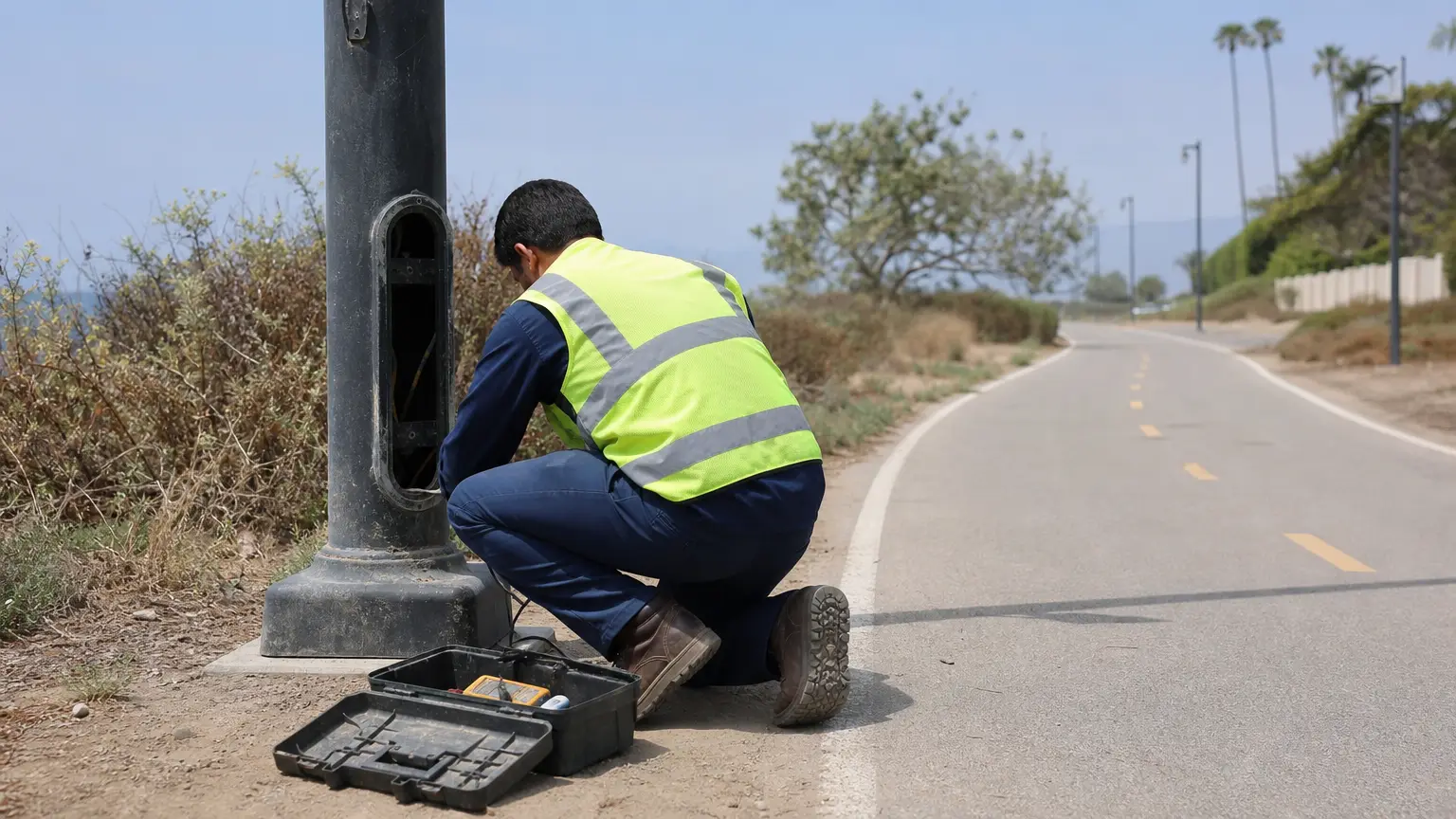
A Bike Path Light Deficit
If you've ever pedaled or strolled the Santa Barbara bike path after dark, you know the frustration of a dark stretch where a light should be. The Santa Barbara Independent reports that while the county has rolled out a new system to report those burned-out fixtures, the real problem isn't reporting—it's paying for the replacements. With budget constraints leaving many lights dark, this isn't just a nuisance; it's a safety concern for commuters, families, and evening joggers who rely on that path. For those of us in the 805, the bike path is a vital artery connecting neighborhoods from Goleta to Carpinteria. The new reporting labels are a step forward, but without funding for actual repairs, they're just stickers. Let's hope county officials hear our collective call for a safer, better-lit route before someone gets hurt in the dark.
 Santa Barbara
Austria’s World Cup Journey Begins in Goleta with Harder Stadium Training Session
Austria’s World Cup run is getting a Central Coast kickoff. The Austrian national soccer team has set up camp at Harder Stadium in Goleta for training sessions ahead of their World Cup opener against Jordan on Wednesday, June 17. It’s a rare treat for local soccer fans to see a World Cup squad preparing right in our backyard, with practices likely open to spectators. This is a big deal for the 805 region — not just for the international spotlight on UCSB’s pitch, but for the community pride of hosting a team on the world’s biggest stage. The Santa Barbara Independent first shared the news, and it’s a reminder that even in a small town, global sporting moments can feel personal. If you spot players around Goleta, give them a warm Central Coast welcome.
 Santa Barbara
Radicalizing People Through Plants
Foraging isn't just about finding free food—it's a quiet act of resistance. That's the message Robin Greenfield brought to Santa Barbara last week, stopping through town as part of a larger mission to reconnect people with the wild edibles growing right under our noses. From prickly pear to purslane, Greenfield showed locals how the urban landscape is actually a pantry in disguise. As reported by the Santa Barbara Independent, Greenfield's visit was part foraging workshop, part philosophical talk—urging us to rethink our relationship with nature and consumer culture. For a community like ours, where farmers markets and farm-to-table are already beloved, this feels like a natural next step. Whether you're a seasoned forager or just curious about that strange weed in your backyard, Greenfield's message is a reminder that the Central Coast is rich in more than just views.